

Nobel Lecture
The lecture series "BioTechMed-Graz Nobel Lecture" celebrates the outstanding contributions of Nobel laureates in the research fields of BioTechMed-Graz. Once a year, BioTechMed-Graz invites a Nobel laureate to give a lecture in Graz.
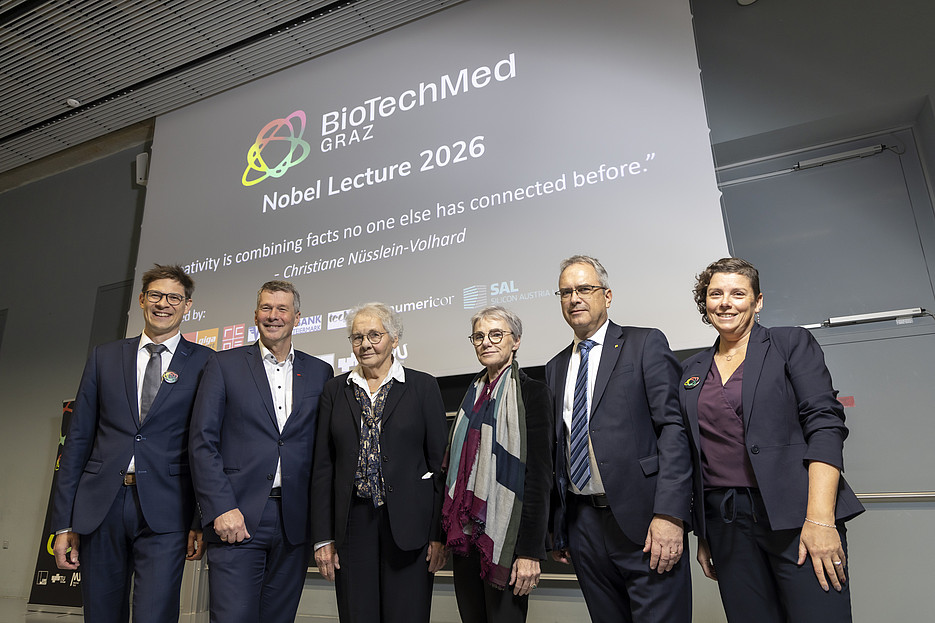
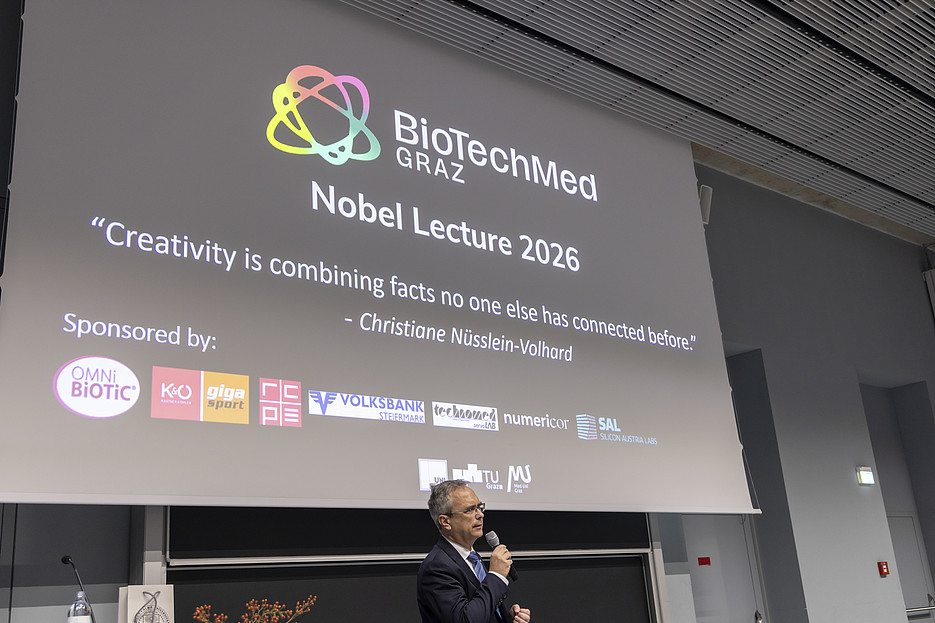
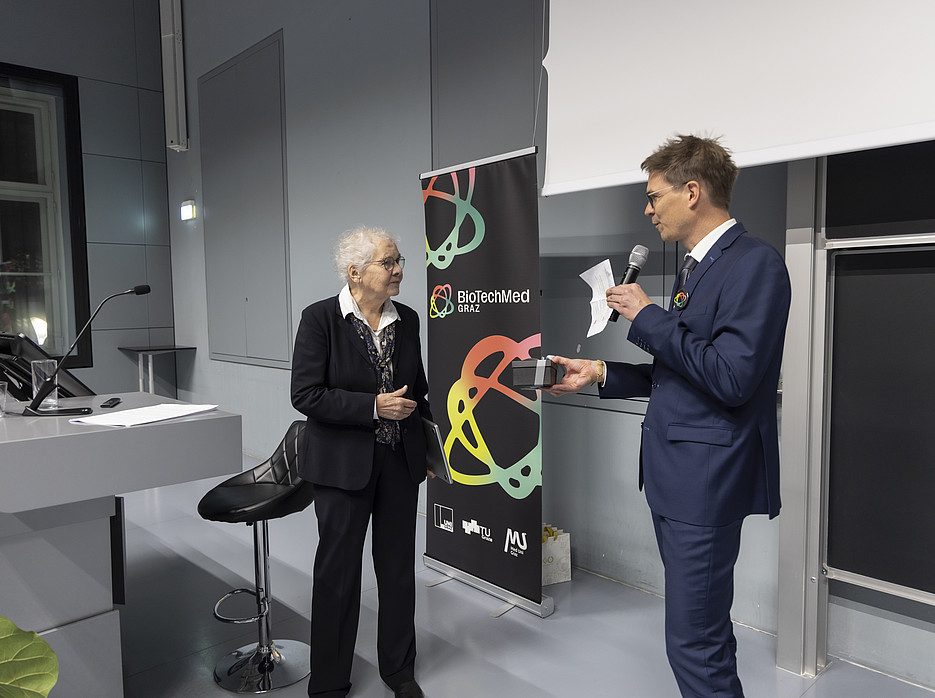
BioTechMed-Graz Nobel Lecture 2026 with Nobel Laureate in Physiology or Medicine Christiane Nüsslein-Volhard
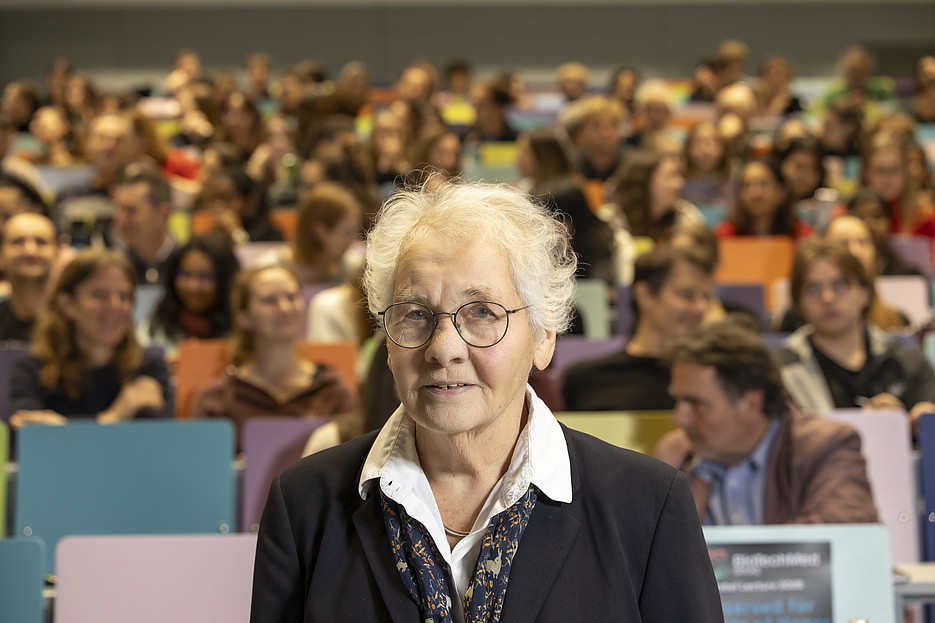
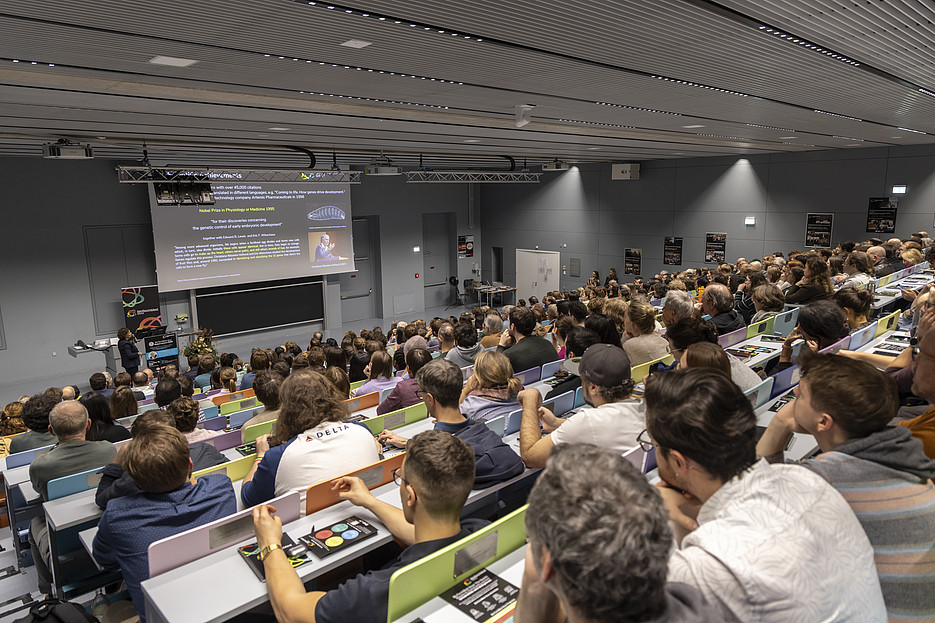
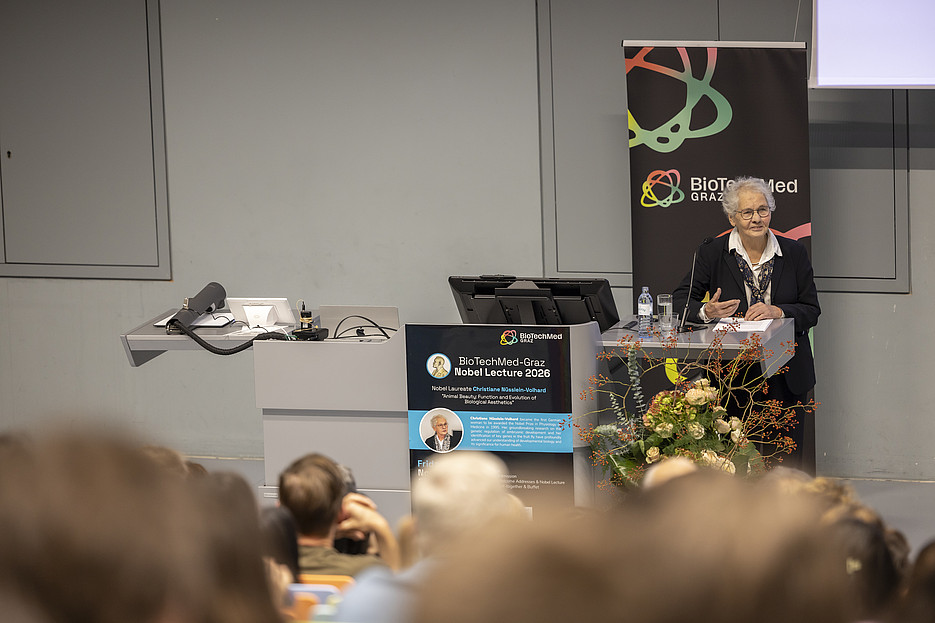
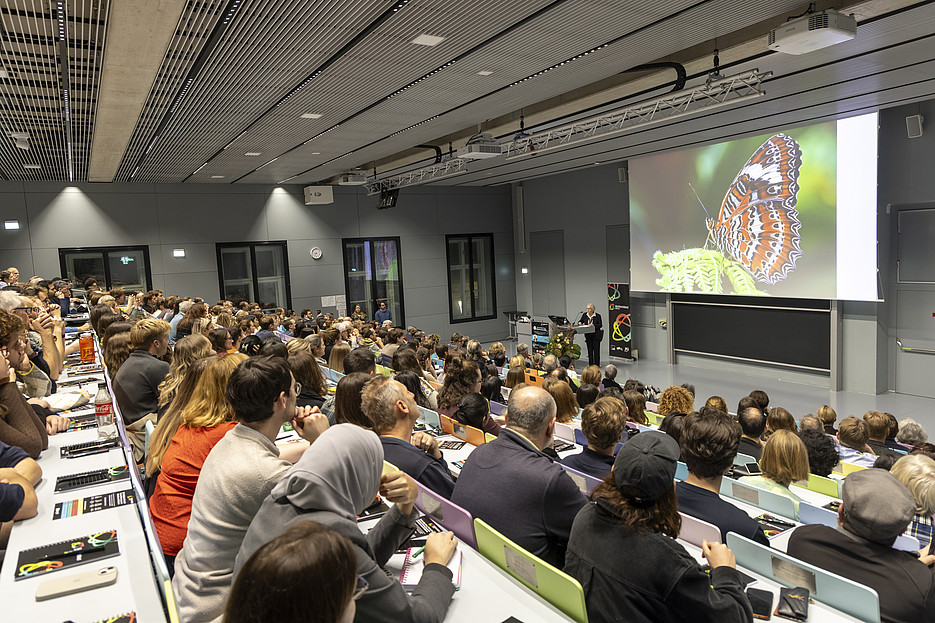
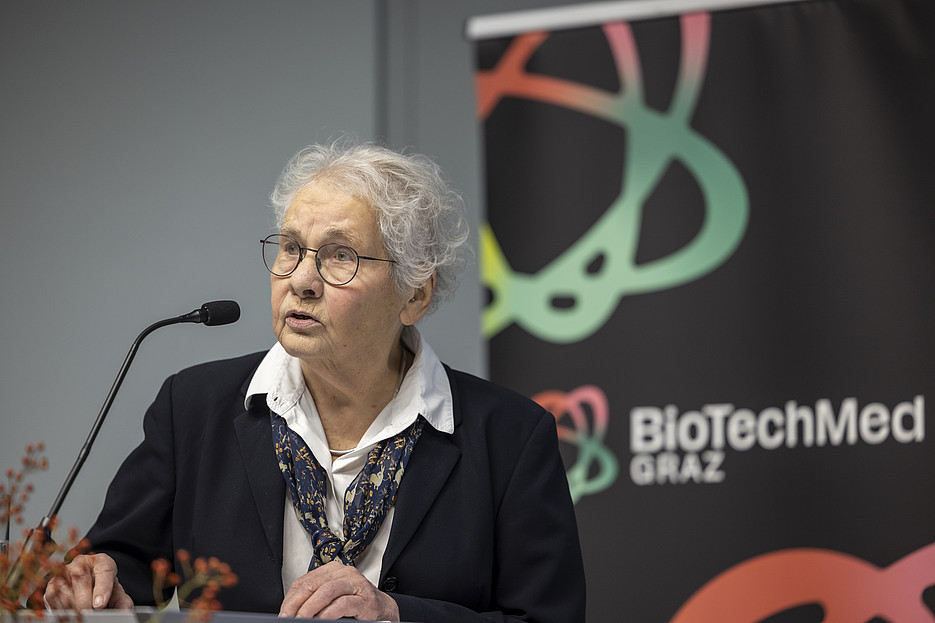
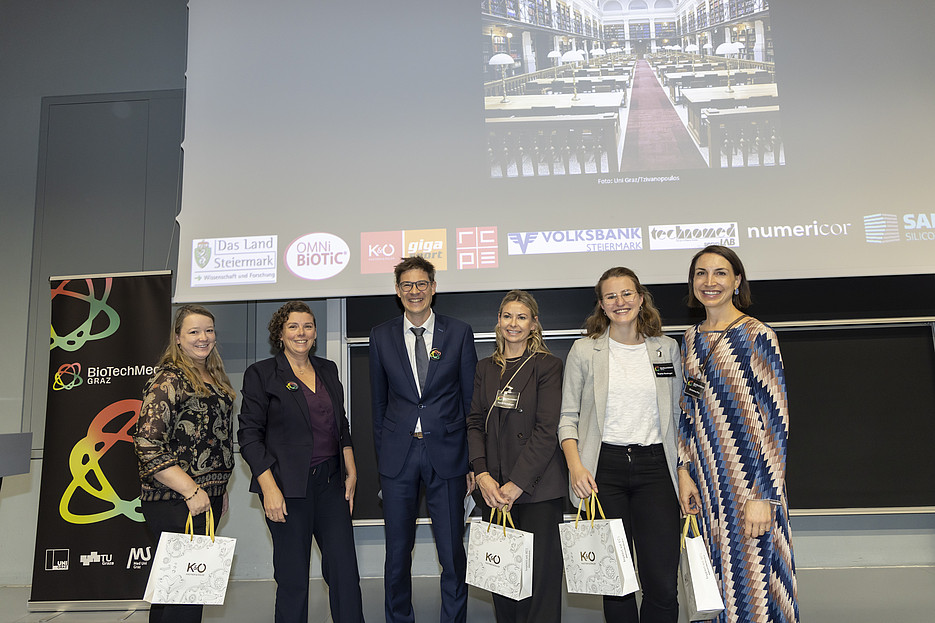
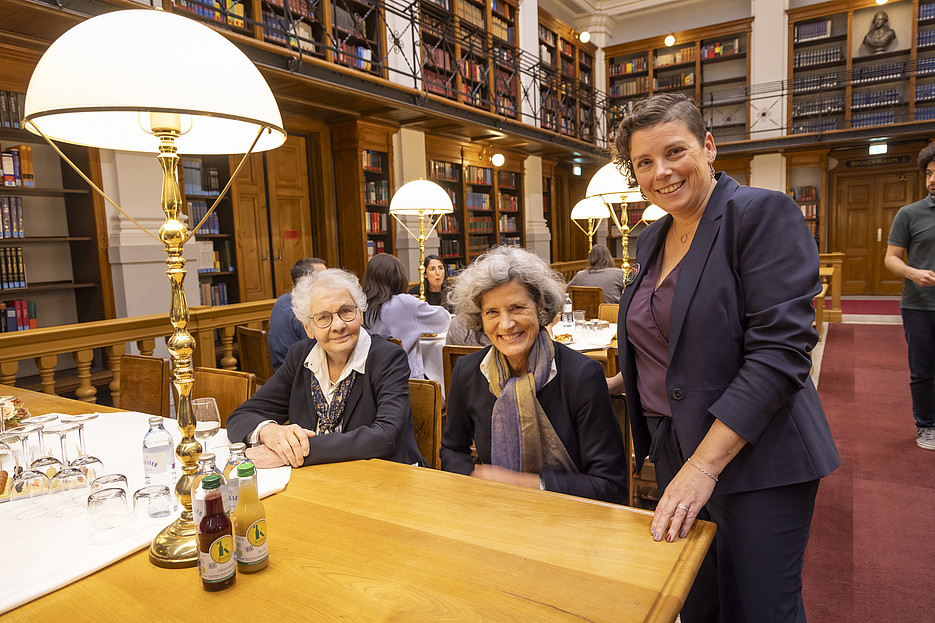
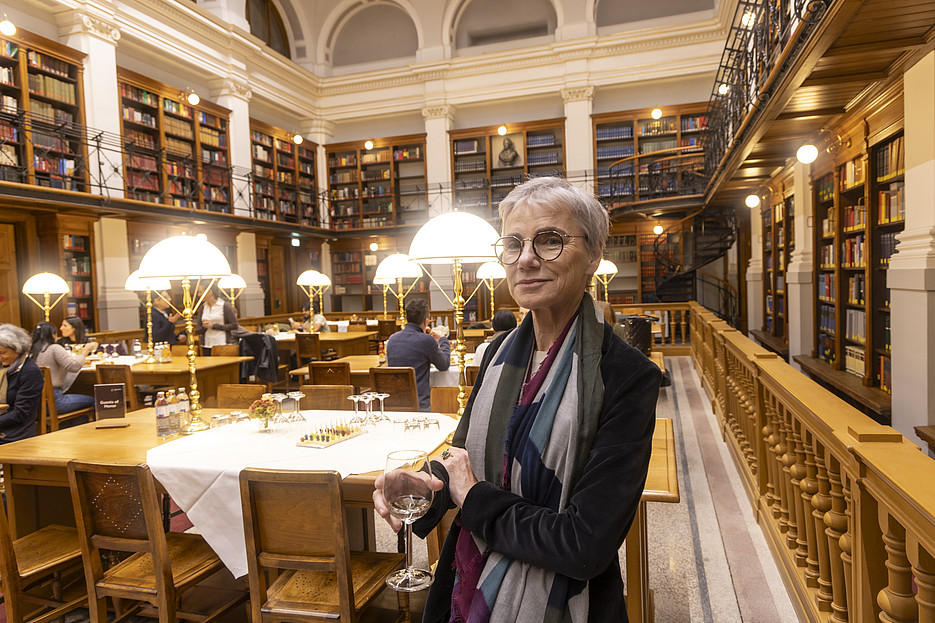
On November 13, 2026, BioTechMed-Graz hosted its annual Nobel Lecture, which has become a well-established highlight of the academic year. This year, Nobel Laureate in Physiology or Medicine Christiane Nüsslein-Volhard delivered a talk titled “Animal Beauty: Function and Evolution of Biological Aesthetics”, in which she explored the fascinating diversity of colours, patterns and sounds in the animal kingdom.
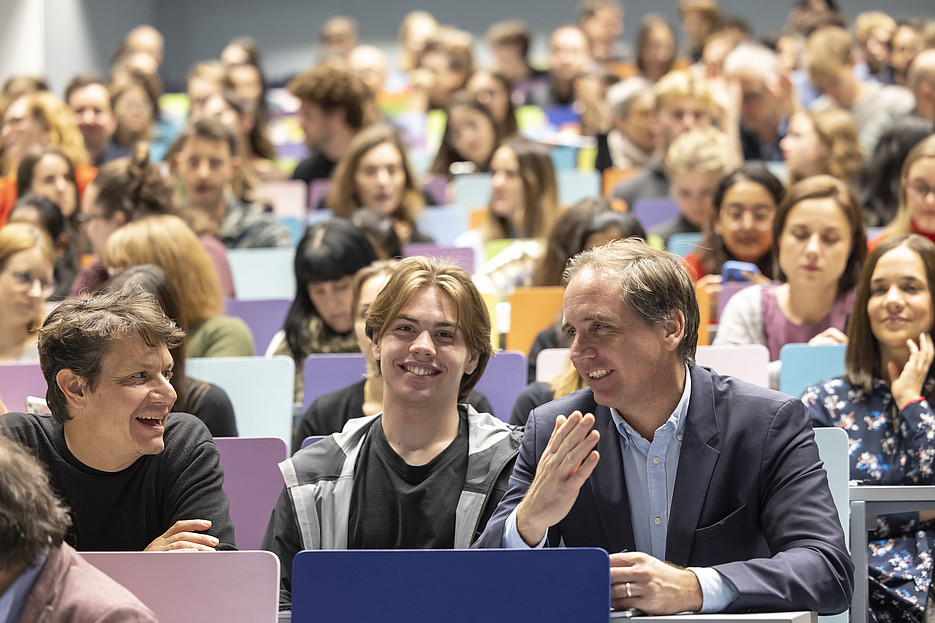
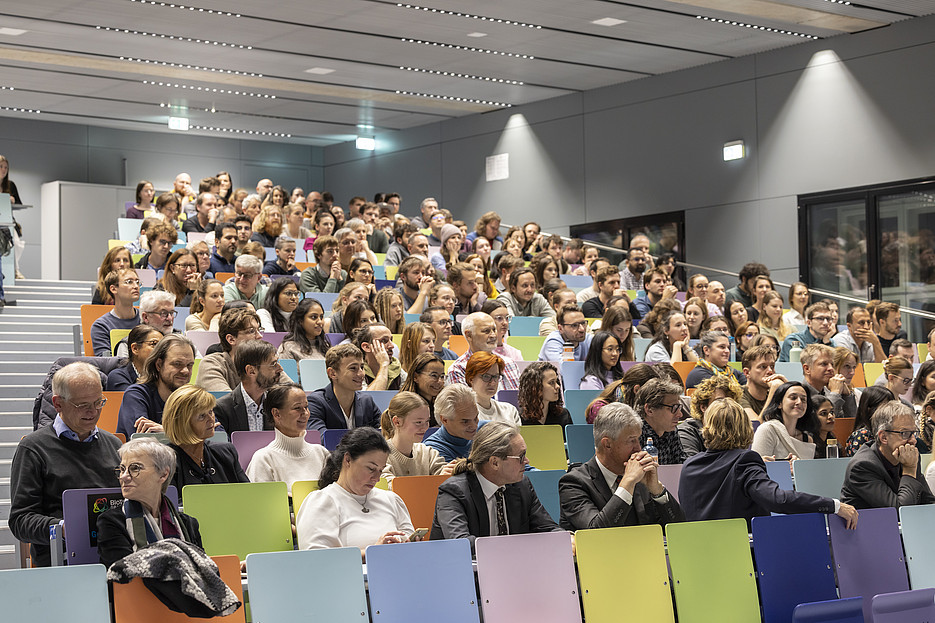
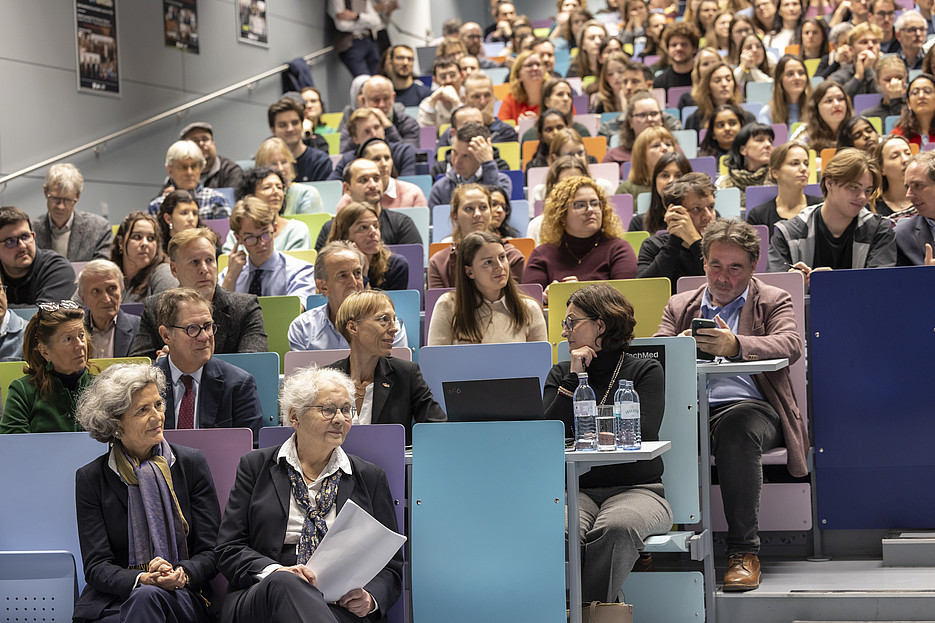
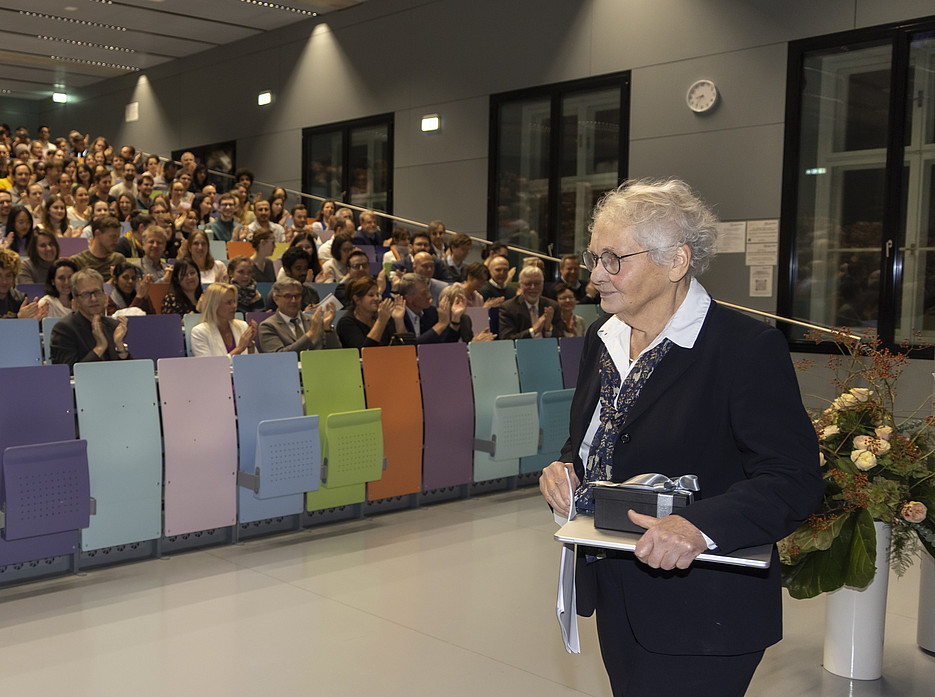
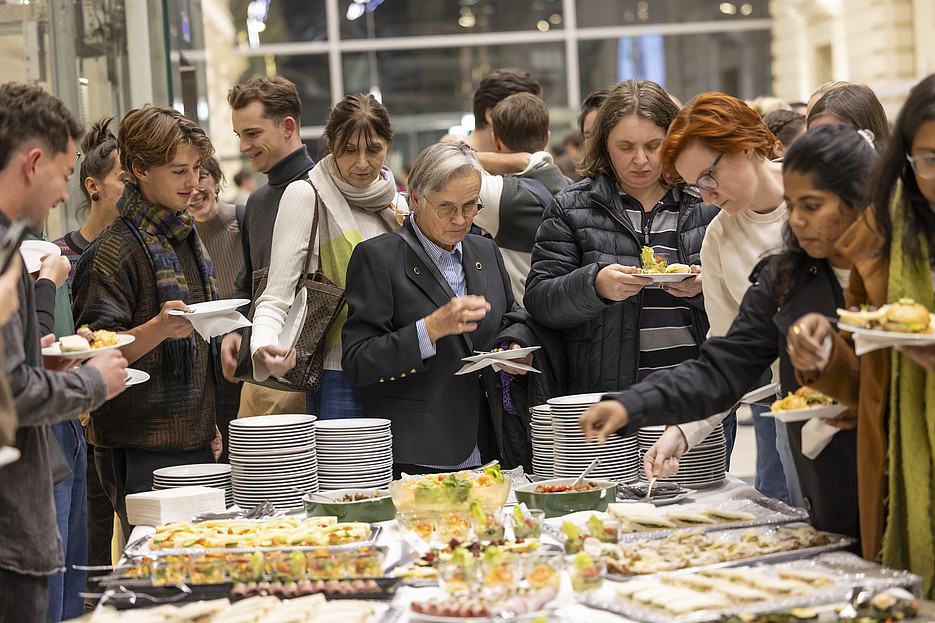
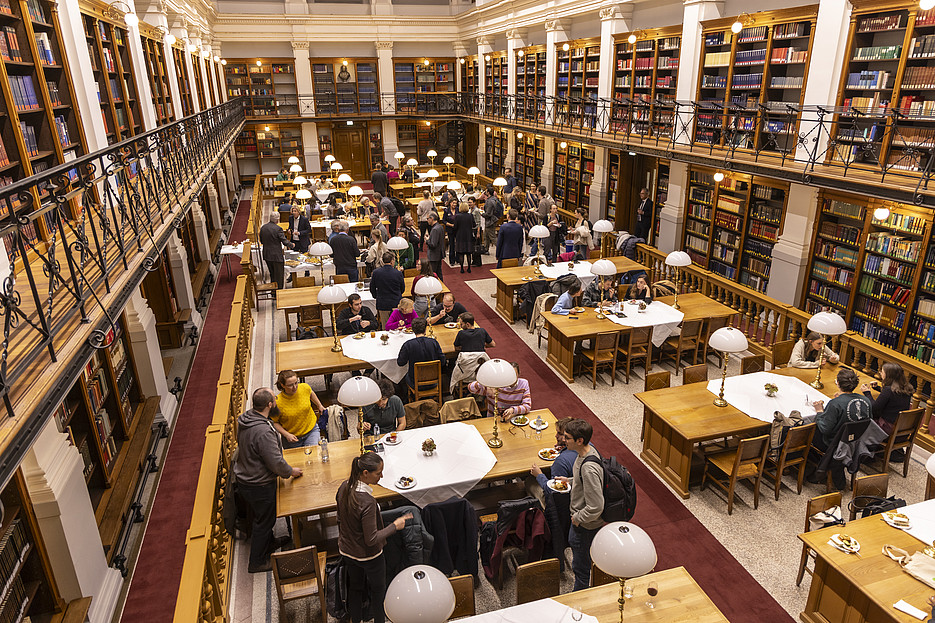
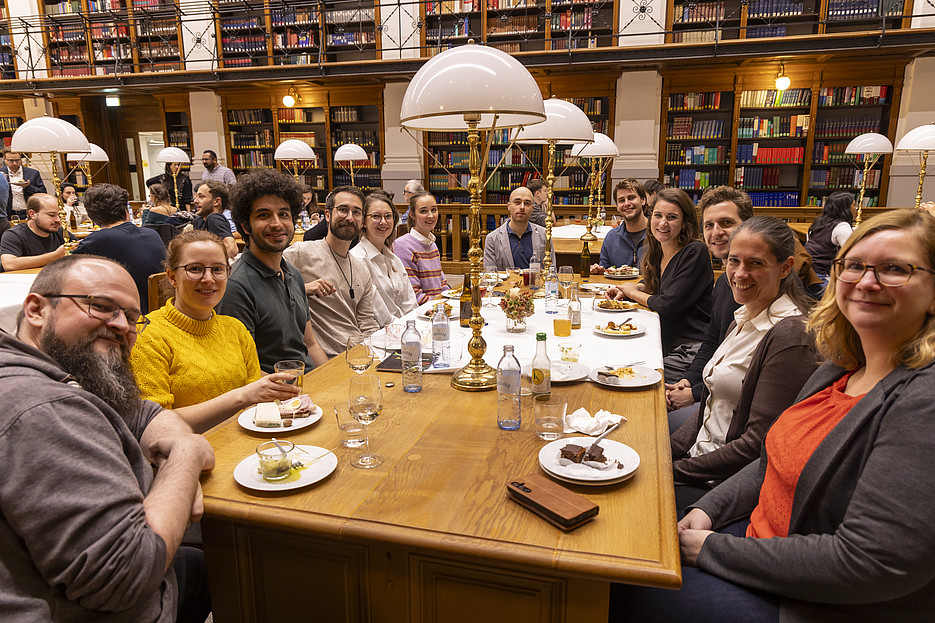
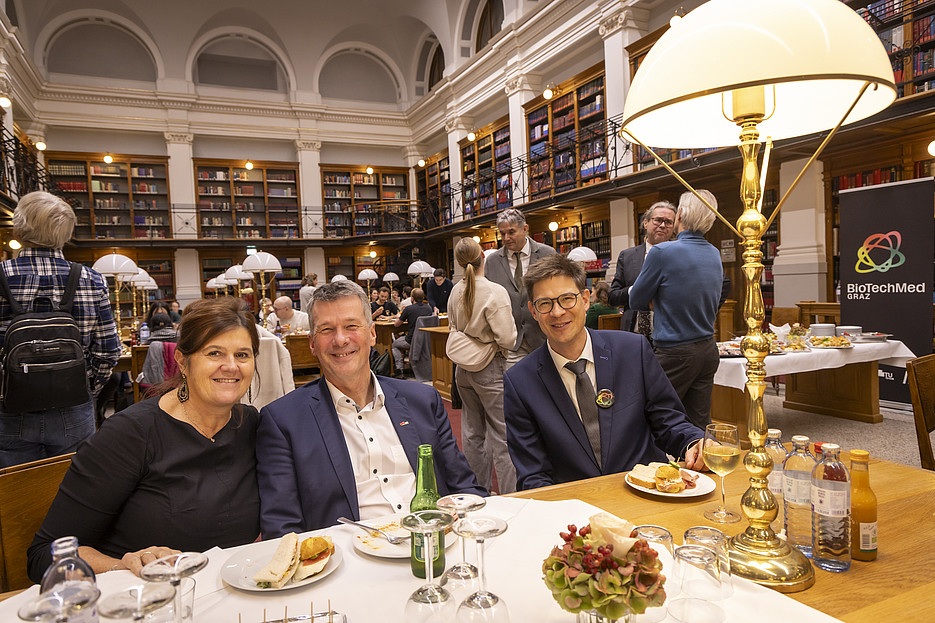
The lecture attracted 430 attendees in person, with hundreds more joining via livestream. The audience showed great interest, as reflected in the numerous questions and lively discussion following the presentation. A subsequent get-together offered attendees the opportunity to exchange ideas and network.



Past Nobel Lectures
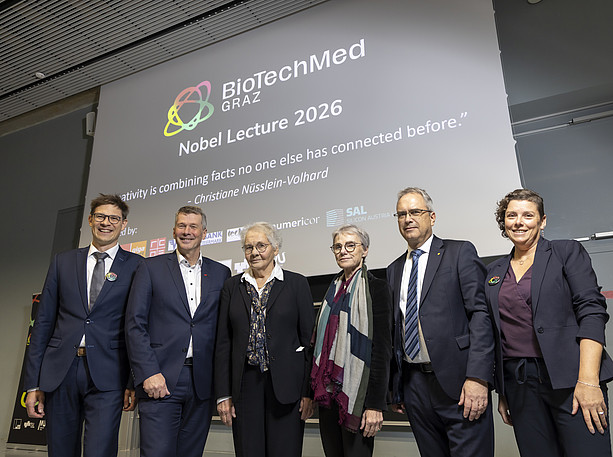
Christiane Nüsslein-Volhard was awarded the 1995 Nobel Prize in Physiology or Medicine for her discoveries concerning the genetic control of early embryonic development.
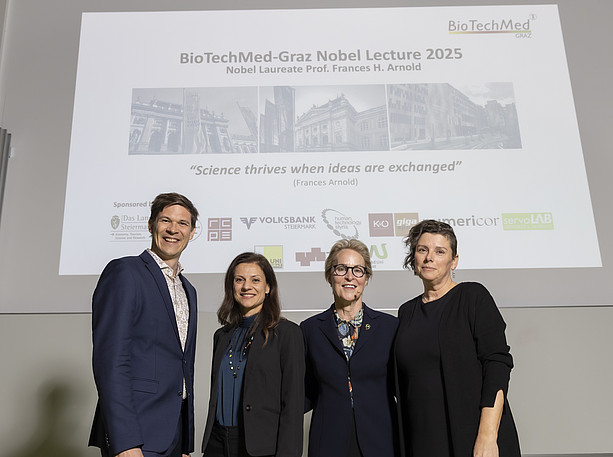
The 2018 Nobel Prize in Chemistry was awarded to Frances Arnold “for the directed evolution of enzymes.”
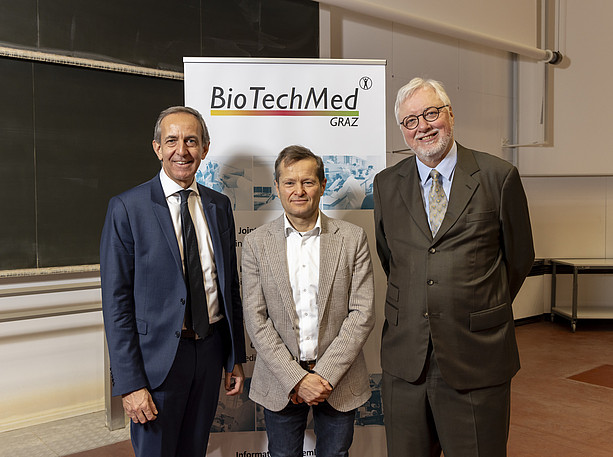
The Nobel Prize in Physics 2023 was awarded to Pierre Agostini, Ferenc Krausz and Anne L’Huillier "for experimental methods that generate attosecond pulses of light for the study of electron dynamics in matter"
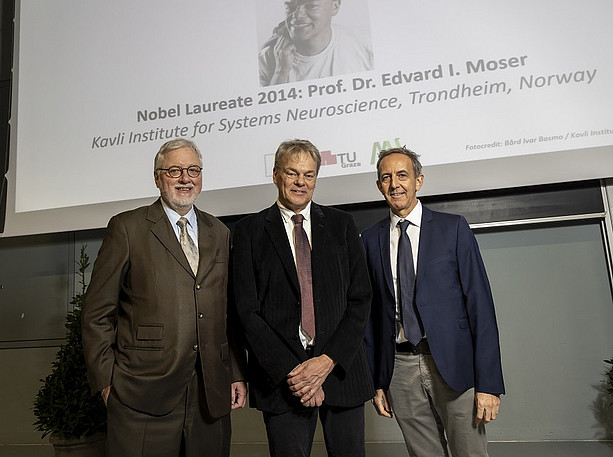
The 2014 Nobel Prize in Physiology or Medicine was shared, with one half going jointly to May-Britt Moser and Edvard I. Moser and the other half to John O'Keefe "for their discoveries of cells that form a localization system in the brain".
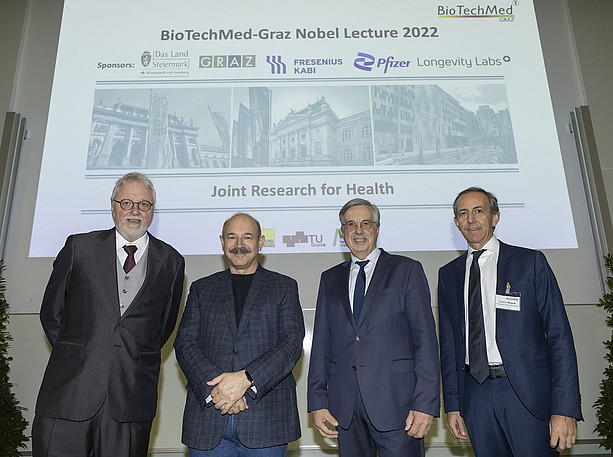
Prof. Bruce A. Beutler is an immunologist and geneticist and was awarded the Nobel Prize in Physiology or Medicine in 2011 for his discoveries on the activation of innate immunity.

The 2014 Nobel Prize in Chemistry was awarded jointly to Stefan W. Hell, Eric Betzig and William E. Moerner "for the development of high-resolution fluorescence microscopy".
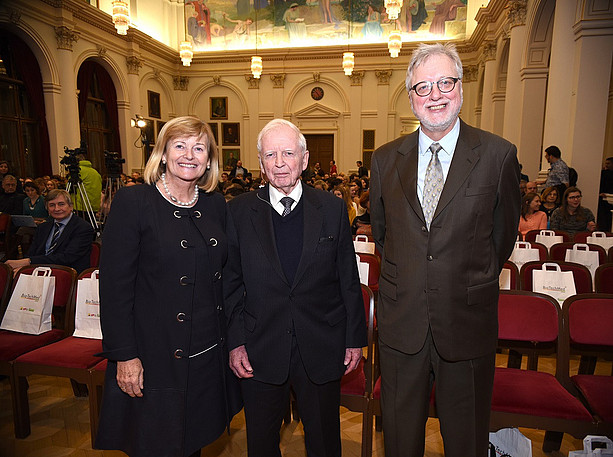
The internationally recognized researcher has contributed to the development of a vaccine against the most common type of cancer in women, cervical cancer. In 2008, the German scientist was awarded the Nobel Prize for Medicine.


